

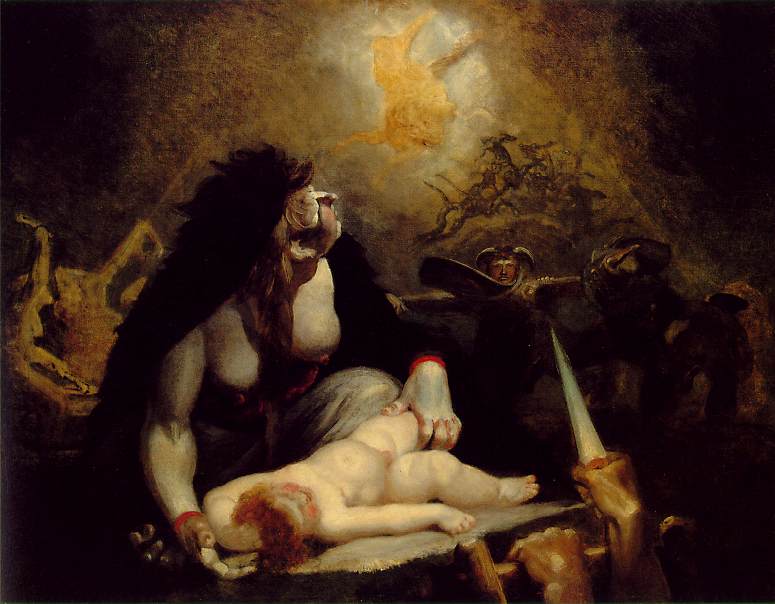
Few figures are as fraught with ambiguous meanings and contradictions as that of the witch. Witches are not only a part of our cultural imagination – found in fairy tales, Netflix series and Shakespearean plays – but their history is closely intertwined with the real-world history of misogynistic violence. Contrary to popular belief, the peak of the witch hunts did not occur in the Middle Ages, but in the early modern period. Between the 15th and 18th centuries, an estimated 80,000 people fell victim to witch hunts in Europe, the vast majority of them women. Hunting witches was a delusional attempt to suppress and eradicate those bodies, abilities and forms of knowledge that did not fit into male-dominated notions of social order. The violent persecution targeted female sexuality in particular, denouncing its autonomy as diabolical, deviant and potentially dangerous practices.
Talking to the writer Esther Becker, the philosopher Fabian Bernhardt explores the shifting manifestations of the witch throughout history to the present day.
- 20.00Roter Salon
UNTER UNS von Geistern, Dschinns und Monstern
Fabian Bernhardt im Gespräch mit Esther Becker
