
Freedom of Movement
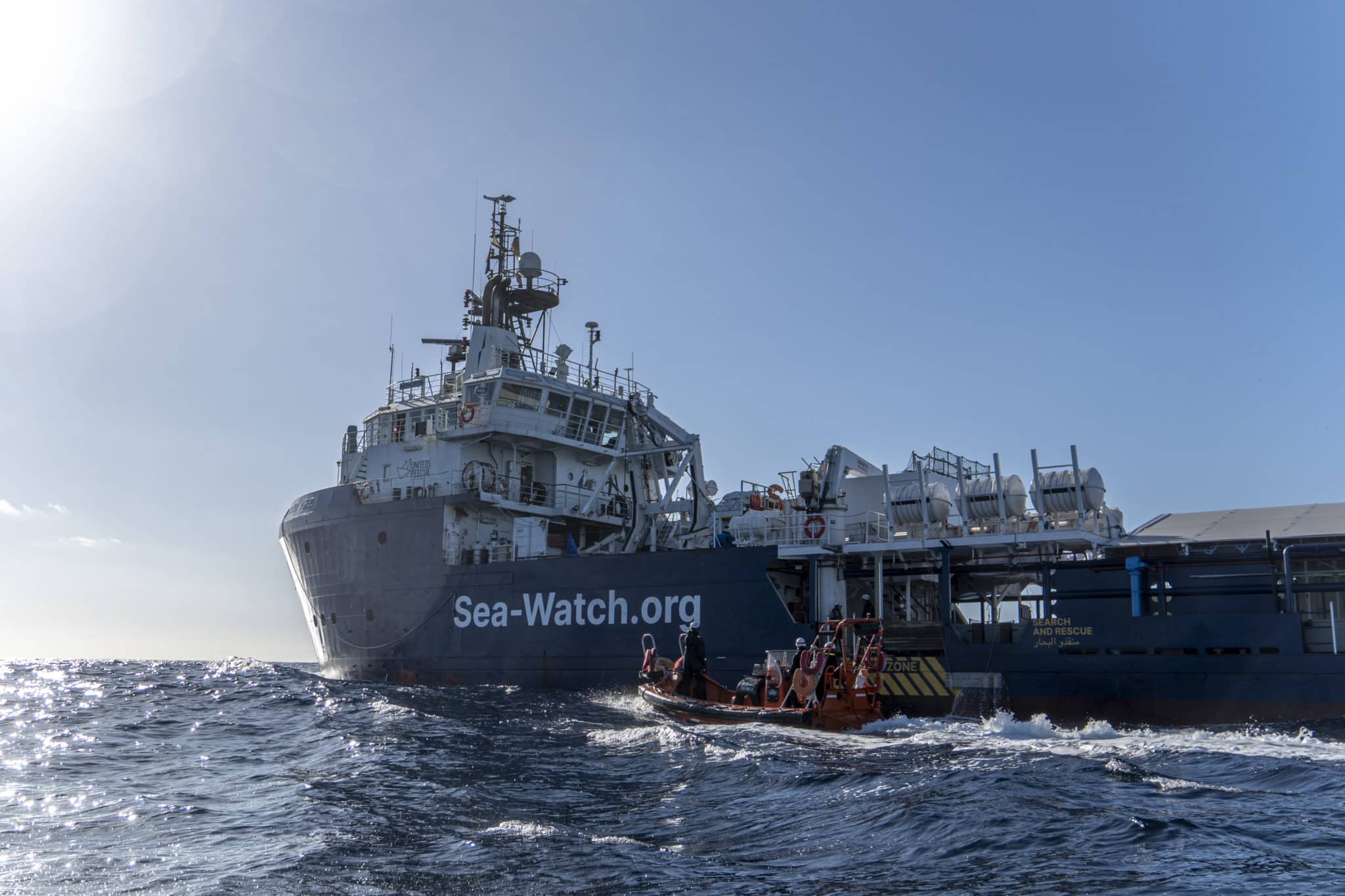
World Refugee Day is an international day dedicated to refugees around the globe, each year on 20 June. Joining forces with organizations such as medico international, Sea-Watch, and Women in Exile, and inviting artistic contributions, we want to honour the strength and courage of people who have been forced to flee their home country to escape war, violence or persecution, and shine a light on the rights, needs and dreams of refugees.
On this day, we send a message of support amid intensifying political debates that exploit flight and migration as election campaign issues. Conservative forces, as well as the so-called centre of society, are increasingly relying on isolationist policies and measures that call fundamental human rights into question. These developments form part of a broader shift towards authoritarianism, evident not only at Europe’s external borders but also in domestic politics—for example, the erosion of rights, the tightening of asylum laws, and increasingly uninhibited debates on deportation. The implementation of the CEAS reform is a prime example of these trends. In practice, the reform amounts to internment, the deprivation of rights, and a fundamental restructuring of the Common European Asylum System.
This event seeks to highlight the entwinement of border regimes, economic interests, and shifts in political power to show how authoritarian dynamics in migration policies are being intensified and normalized.
Freedom of Movement does not consider ‘movement‘ as a given but rather as a contested issue. In a world where goods and capital circulate freely, movement becomes, for many people, a matter of borders, risk and violence. Freedom of movement is not seen as a universal right, but as a privilege distributed unevenly depending on origin, passport and political interests. But ‘movement’ also refers to more than migration in the narrow sense. Movement is not merely locomotion, but the precondition of society formation. Contrary to any notion of order as something fixed or static, it reminds us that the social is always in the process of becoming – conflictual, contradictory, open for change. Migration processes expose these dynamics and bring to light where and when movement is wanted and where it is violently stopped and suppressed. This is why the current shift in European migration policy signifies more than just a harder line on the law. It stands for an attempt to control, slow down or immobilise movement, reflecting an authoritarian yearning for stability and stasis, which is not only evident on the fringes of Europe, but reaches deep into its political centres.
Freedom of Movement creates an environment for criticism and solidarity. Together we are challenging existing border regimes, drawing attention to the experiences of displaced people and refugees, and offering new perspectives on migration, freedom of movement and global inequalities.
Program
18:00 Foyers
Part One – Community Gathering
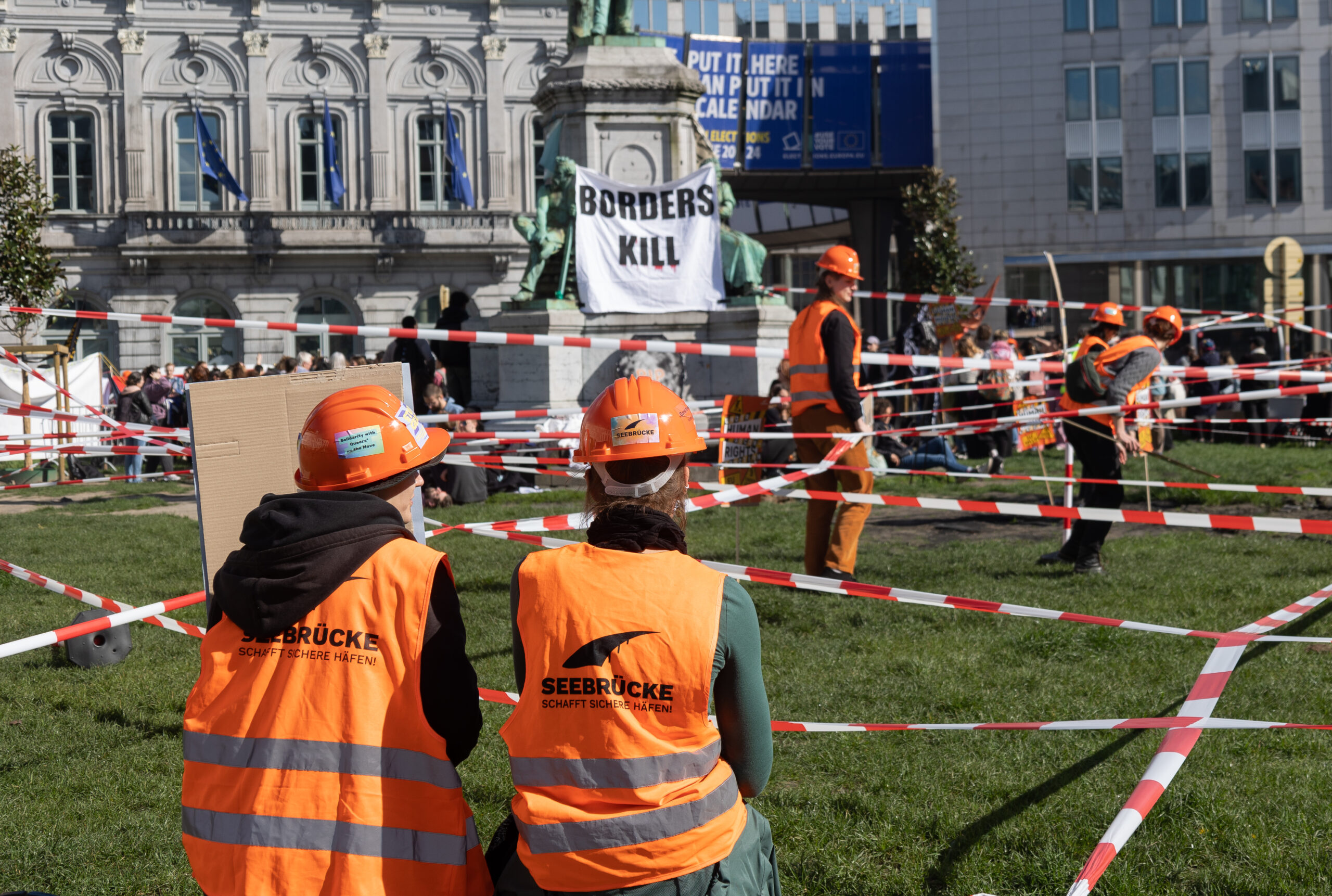
Fundraisers, DJ and open gathering with Ärzte ohne Grenzen, Sea-Watch, medico international, Seebrücke, Pro Asyl and Rosa-Luxemburg-Stiftung.
20:00 Main Stage
Part Two – Political Inputs and Panel
Women in Exile: Political Input
Forensis and Forensic Architecture: Screening The Pylos Shipwreck
Panel talk with Valeria Hänsel (medico international), Dorothee Krämer (Sea-Watch), Helen Rezene (Pro Asyl), Dr. Maurice Stierl (Migration Research and Intercultural Studies, University of Osnabrück).
Moderated by Bafta Sarbo
P14: Malik Bah , LYDY, Vito Ruth Wegner
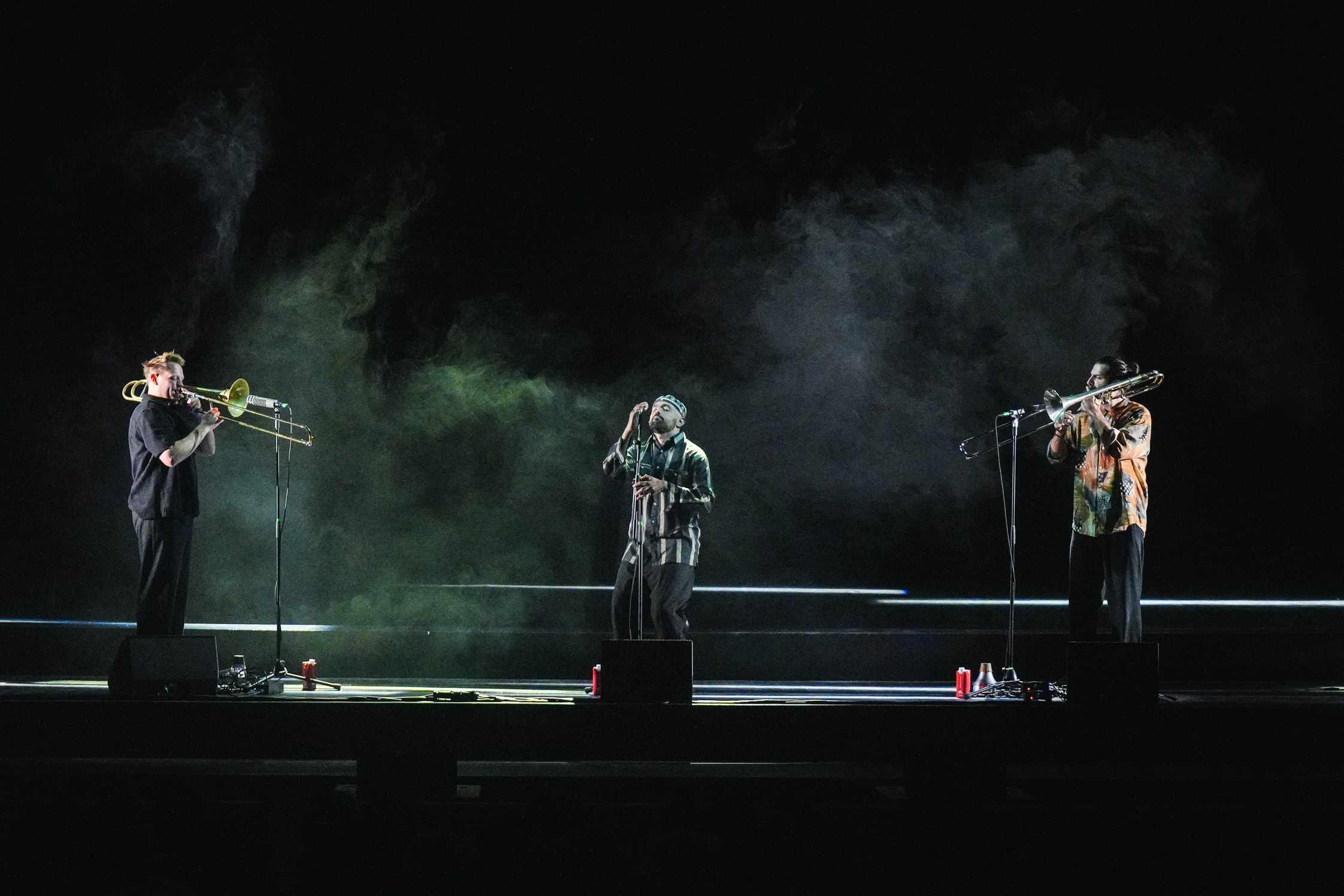
Part Three – Concert Abdullah Miniawy Trio
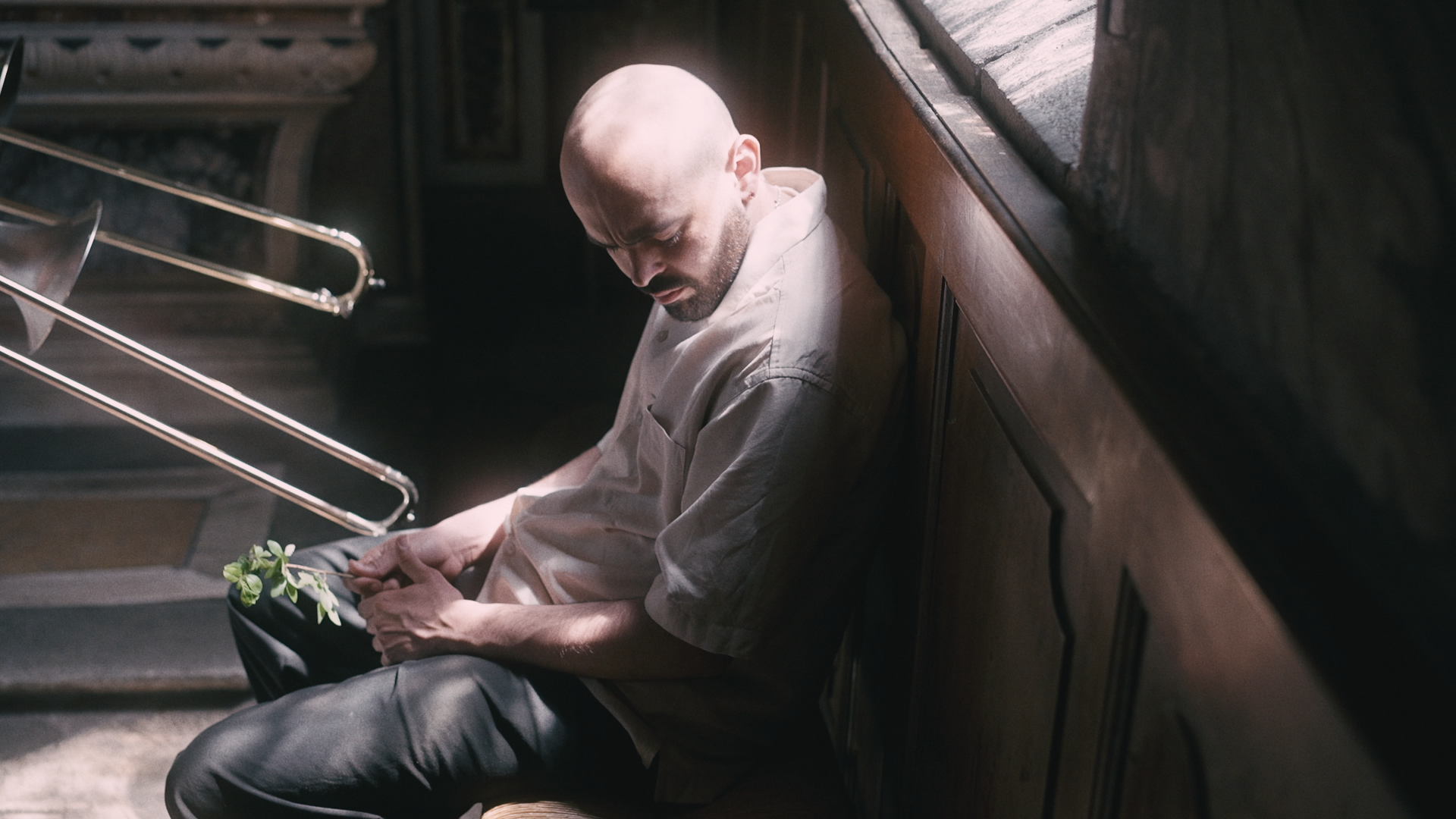
In his work, composer and performer Abdullah Miniawy blends musical and poetic traditions with explorations of artistic freedom and contemporary conditions. Supported by the musicians Jules Regard and Jules Boittin, he creates a captivating sound that bridges spiritual verse and contemporary jazz.
In cooperation with Rosa-Luxemburg-Stiftung